
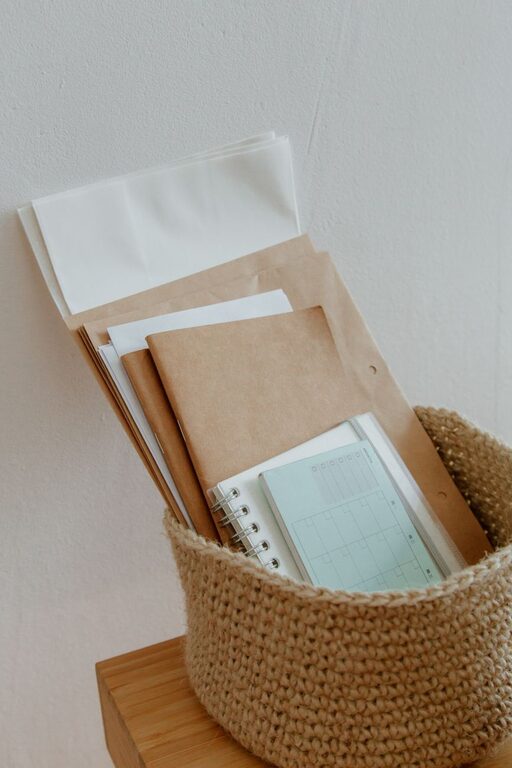
Managing paper clutter is a common challenge in many households. From bills and receipts to magazines and kids’ schoolwork, paper tends to accumulate quickly, creating mess and stress. Fortunately, reducing paper clutter doesn’t have to be overwhelming. By adopting simple habits and practical solutions, you can keep your home tidy and organized. This article explores easy ways to control paper clutter and create a more streamlined living space.
Why Reduce Paper Clutter?
Paper clutter doesn’t just take up space; it can also cause frustration when you can’t find important documents or when piles create visual chaos. Getting paper under control improves your home’s appearance and helps you save time and reduce stress. Plus, less paper means less waste, contributing to a greener lifestyle.
1. Sort and Declutter Regularly
One of the most effective ways to keep paper clutter in check is to sort through your papers regularly.
– Set a schedule: Dedicate time weekly or monthly to go through incoming papers.
– Create sorting categories: Use labels like “To File,” “To Do,” “To Shred,” and “Recycle.”
– Discard unnecessary papers: Be ruthless with junk mail, outdated flyers, or duplicates.
Regular decluttering prevents papers from piling up and becoming unmanageable.
2. Digitize Important Documents
Going digital is one of the best long-term solutions to reduce paper clutter.
– Scan important documents: Use a scanner or smartphone apps to create digital copies.
– Organize files: Create folders on your computer or cloud storage labeled by category (e.g., bills, medical, warranties).
– Back up your files: Use cloud services like Google Drive or Dropbox to avoid losing important documents.
Digital storage makes retrieval easier and safer, while significantly cutting down on physical paper.
3. Use a Mail Management System
Incoming mail is a major source of paper clutter. Managing it efficiently can reduce unnecessary buildup.
– Designate a mail station: Set up a basket or tray near the door for mail.
– Sort immediately: Open and separate mail as soon as you bring it in.
– Go paperless: Opt for digital statements and billing whenever possible.
– Unsubscribe: Remove your address from unwanted catalogs or mailing lists.
Handling mail promptly keeps it from turning into a large, overwhelming pile.
4. Create an Efficient Filing System
An organized filing system helps keep important papers accessible without clutter.
– Choose a filing method: Use file folders, binders, or accordion files.
– Label clearly: Use descriptive labels for easy identification.
– Keep it simple: Don’t overcomplicate—fewer categories are easier to maintain.
– Purge regularly: Every few months, review and remove outdated papers.
A well-structured filing system reduces stress and improves efficiency.
5. Limit Paper for Kids’ Artwork and Schoolwork
Children’s papers can quickly add to household clutter, but you can preserve memories without keeping everything.
– Set boundaries: Keep only select pieces, like special projects or milestones.
– Create a display area: Rotate artwork on a bulletin board or frame favorites.
– Digitize: Take photos of artwork and school papers before recycling.
– Use a keepsake box: Store a small collection of the most meaningful items.
This approach honors children’s creativity while controlling clutter.
6. Use Technology to Avoid Paper
Consider alternatives to paper wherever possible to prevent clutter from starting.
– Note-taking apps: Use apps like Evernote or OneNote instead of paper notes.
– Digital calendars: Replace paper planners with electronic calendars on your phone or computer.
– E-tickets and receipts: Opt for electronic versions when shopping or attending events.
Adopting digital habits reduces the accumulation of unnecessary paper at home.
7. Develop Consistent Habits
Small daily habits can make a big difference over time.
– Clear your surfaces: Take a few minutes each day to put away loose papers.
– Deal with mail immediately: Don’t let it sit unopened.
– Create a “paper inbox”: A single spot for papers you need to act on can prevent scattering.
– Set rules: For example, no paper piles on the kitchen counter or dining table.
Consistency helps maintain your clutter-free space.
Conclusion
Reducing household paper clutter is achievable with a combination of organization, digitization, and mindful habits. Regularly sorting through papers, opting for digital versions, and creating a clear system will save you time and make your home feel more peaceful. Start with one or two of these strategies today, and enjoy the benefits of a cleaner, more organized living environment.