
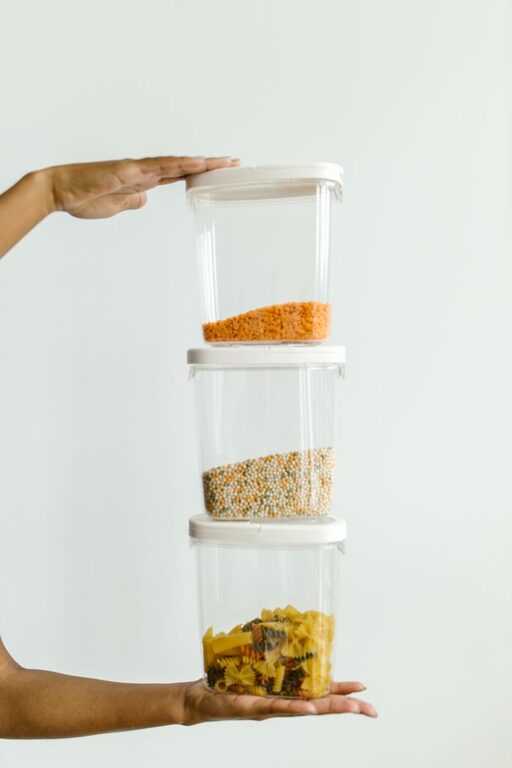
Planning meals from pantry staples is a great way to simplify your cooking routine, save money, and reduce food waste. With a well-stocked pantry and a little creativity, you can whip up tasty, nutritious meals without a last-minute grocery run. Whether you’re new to home cooking or looking to optimize what you already have at home, this guide will help you plan meals using pantry basics with ease.
Why Plan Meals from Pantry Staples?
Pantry staples are non-perishable foods you keep on hand, such as canned goods, dried grains, spices, and condiments. Planning meals around these ingredients offers several benefits:
– Convenience: You have ingredients ready to go anytime.
– Cost-effectiveness: Buying staples in bulk usually saves money.
– Reduced food waste: Using what you have instead of buying more.
– Flexibility: Lots of meal options with a few basic ingredients.
Step 1: Assess Your Pantry Inventory
Start by taking stock of your pantry. Organize shelves so you can easily see what you have. Common pantry staples might include:
– Grains: Rice, pasta, quinoa, oats
– Canned goods: Beans, tomatoes, tuna, corn
– Baking essentials: Flour, sugar, baking powder, yeast
– Oils and vinegars: Olive oil, vegetable oil, balsamic vinegar
– Herbs and spices: Salt, pepper, garlic powder, chili flakes, dried herbs
– Broths and sauces: Chicken or vegetable broth, soy sauce, mustard, hot sauce
Write down all items with approximate quantities. Knowing what you have helps you plan meals without impulse shopping.
Step 2: Identify Meal Types You Can Make
Next, think about the types of meals you can create from your staples. Some common categories include:
– Soups and stews: Using canned beans, broth, and spices
– Pasta dishes: Pasta plus canned tomatoes or olive oil and garlic
– Rice bowls: Cooked rice topped with beans, veggies, and sauces
– Salads: Using canned tuna or beans with fresh or frozen veggies
– Baked goods: Muffins, pancakes, or breads from flour, baking powder, and sugar
By categorizing meals, you make it easier to mix and match ingredients.
Step 3: Plan Your Weekly Menu Around Staples
Create a simple meal plan for the week that uses pantry staples as the base and adds fresh or frozen items if available. Here’s a sample meal plan outline:
| Day | Meal Idea | Key Pantry Staples |
|———–|——————————–|—————————-|
| Monday | Chili with beans and rice | Canned beans, canned tomatoes, rice, chili powder |
| Tuesday | Tuna pasta salad | Pasta, canned tuna, olive oil, vinegar |
| Wednesday | Vegetable soup | Broth, canned corn, canned tomatoes, spices |
| Thursday | Chickpea curry with rice | Canned chickpeas, rice, curry powder, coconut milk* |
| Friday | Pancakes or flatbreads | Flour, baking powder, sugar, oil |
*If you don’t have coconut milk in your pantry, you can substitute with broth or another creamy ingredient you have on hand.
Include fresh veggies or proteins you plan to buy to complement pantry items. For example, fresh onions, garlic, or frozen spinach can enhance meals without much cost.
Step 4: Build Flexible Recipes
Adapt recipes based on what you have. Here’s how to customize:
– Swap proteins: Use canned beans if you don’t have canned tuna or vice versa.
– Adjust spices: Use what’s available and experiment with combinations.
– Use different grains: Substitute rice with quinoa or pasta with bulgur.
Try simple base recipes like:
Easy Pantry Chili
– 1 can beans (kidney, black, or pinto)
– 1 can diced tomatoes
– 1 cup broth or water
– 1 tsp chili powder
– Salt and pepper to taste
Simmer all ingredients for 20 minutes. Serve over rice or with bread.
Tuna Pasta Salad
– Cooked pasta
– 1 can tuna, drained
– Olive oil and vinegar dressing
– Salt, pepper, and herbs
– Optional: canned corn or chopped pickles
Mix all ingredients and chill. Great for a quick lunch.
Step 5: Keep a Running List of Pantry-Friendly Staples to Restock
After cooking, note which items you use most often and keep a list for restocking. Basic staples rarely go bad and can be replenished in bulk or when on sale to save money.
Additional Tips for Success
– Rotate your pantry: Use older items first to avoid expiration.
– Label and date: Keep cans and packages organized with dates.
– Freeze extras: Freeze portions of cooked meals or leftovers for easy future meals.
– Incorporate fresh items: Buy seasonal veggies or fruits to complement pantry meals.
– Search online recipes: Use your pantry items as keywords to find new ideas.
Conclusion
Planning meals from pantry staples is a smart way to make cooking approachable and affordable. By organizing your pantry, understanding what meals you can create, and building flexible recipes, you’ll always have something delicious on hand. Start small, experiment with flavors, and gradually build a collection of pantry-based meals you love. Happy cooking!