
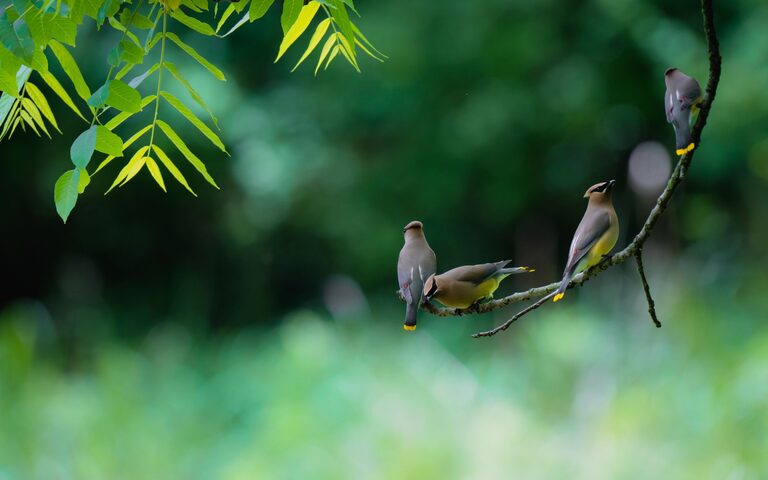
Birdwatching is a rewarding hobby that brings you closer to nature without leaving your home. If you have a backyard or even a small outdoor space, you can start enjoying the beauty of birds visiting your area. This beginner-friendly guide offers practical tips to help you attract birds, observe them effectively, and deepen your appreciation for these fascinating creatures.
Why Birdwatching in Your Backyard?
Birdwatching offers many benefits, including relaxation, learning about local wildlife, and enhancing your outdoor experience. Backyard birdwatching is especially convenient because you don’t need to travel far or invest in expensive equipment to get started. It can also be a fun activity for all ages, encouraging curiosity and a connection to nature.
Getting Started: What You’ll Need
1. Bird Feeders and Food
Attracting birds to your yard often starts with providing food. Different birds prefer different types of feeders and food, so here are some basics:
– Types of Feeders:
– Platform feeders are simple trays open on all sides.
– Tube feeders are narrow containers with small feeding ports, ideal for small birds.
– Suet feeders hold blocks of suet to attract woodpeckers and insect-eaters.
– Hummingbird feeders provide sugar water for these tiny birds.
– Common Bird Foods:
– Black oil sunflower seeds attract many species.
– Nyjer (thistle) seeds are loved by finches.
– Suet blocks provide energy, especially in colder months.
– Fruit like orange halves attracts orioles and some woodpeckers.
2. Water Source
Birds need fresh water for drinking and bathing. A small birdbath or shallow dish with clean water can help keep your visitors happy. Be sure to change the water regularly to prevent mosquito breeding.
3. Shelter and Nesting Areas
Providing natural shelter encourages birds to stay. Planting native shrubs, trees, or installing birdhouses creates safe spaces for resting, nesting, or hiding from predators.
Choosing the Right Location
Place your feeders and water source where you can easily observe the birds through a window or from a comfortable outdoor spot. Ideally, feeders should be near some cover like shrubs or trees to give birds a quick escape route if needed. Avoid placing feeders too close to windows to reduce the risk of bird collisions.
Tools to Enhance Your Birdwatching Experience
– Binoculars: A good pair of binoculars lets you see birds up close without disturbing them.
– Field Guide: A bird identification book or mobile app helps you learn about the species visiting your yard.
– Notebook or Journal: Recording your observations can make birdwatching more engaging and help track changes over time.
– Camera: A camera or smartphone can capture beautiful moments to share or study later.
Tips for Observing Birds
Be Patient and Quiet
Birds are easily startled. Move slowly and keep noise to a minimum, especially when feeders are new or birds are just arriving.
Watch at Different Times of Day
Bird activity varies throughout the day. Early morning and late afternoon are often the best times to see a variety of species.
Learn Bird Behavior and Calls
Listening to bird songs and understanding behaviors can help you identify species even when you can’t see them clearly.
Keep Feeders Clean
Regularly clean feeders and birdbaths to prevent disease. Use a mild bleach solution, rinse well, and allow everything to dry before refilling.
Common Backyard Birds to Look For
Depending on your location, you might see:
– Cardinals
– Blue Jays
– Chickadees
– Sparrows
– Woodpeckers
– Finches
– Robins
– Hummingbirds
Use your field guide to learn about their habits, favorite foods, and seasonal patterns.
Creating a Bird-Friendly Yard Year-Round
– Plant native flowers and shrubs that produce berries or seeds.
– Maintain brush piles or leave dead trees standing if safe, as they provide insects and nesting sites.
– Use natural pest control methods to protect birds’ food sources.
– Avoid pesticides and herbicides that can harm birds and insects.
Safety and Ethical Considerations
– Never handle wild birds unless necessary and trained to do so.
– Avoid disturbing nests or young birds.
– Provide safe feeding options away from predators like cats.
– Respect wildlife laws and local regulations.
Conclusion
Backyard birdwatching is an enjoyable way to connect with nature every day. By offering food, water, shelter, and a little patience, you can attract a variety of birds and observe their fascinating behaviors. Whether you’re a complete beginner or looking to deepen your experience, these tips will help you create a welcoming environment for birds to thrive right outside your door.
Happy birdwatching!